Henry Moore’s sculptures
Where did Henry Moore get his ideas and inspiration for his sculptures?
WHAT INSPIRED HIM?
This photograph shows Henry Moore’s studio at his house, Hoglands in Hertfordshire, as it was left when he died in 1986. Among all the sculptures (and bits of sculpture), furniture and boxes there are some clues as to what inspired him.
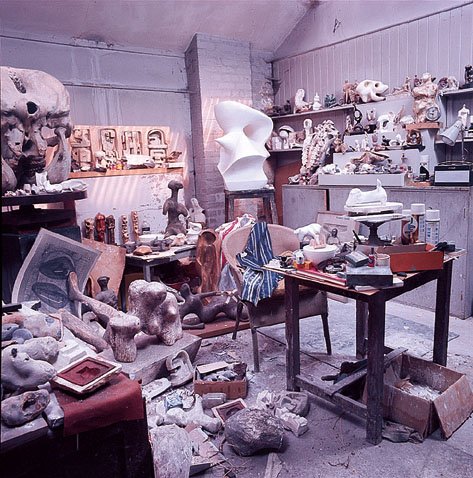
Bones are the inside structure that nature uses for both lightness and strength…so in bones you can find the principles which can be very important in sculpture
Henry Moore
ROCKS, STONES, SHELLS AND WOOD
Like many of us, Henry Moore would pick up interesting stones, shells and sticks when he went for walks in the countryside. He took these back to his studio and used their shapes and textures to inspire the shapes and textures of his sculptures. He said:
I have found the principles of form and rhythm from the study of natural objects…pebbles and rocks show nature’s way of working stone
Henry Moore
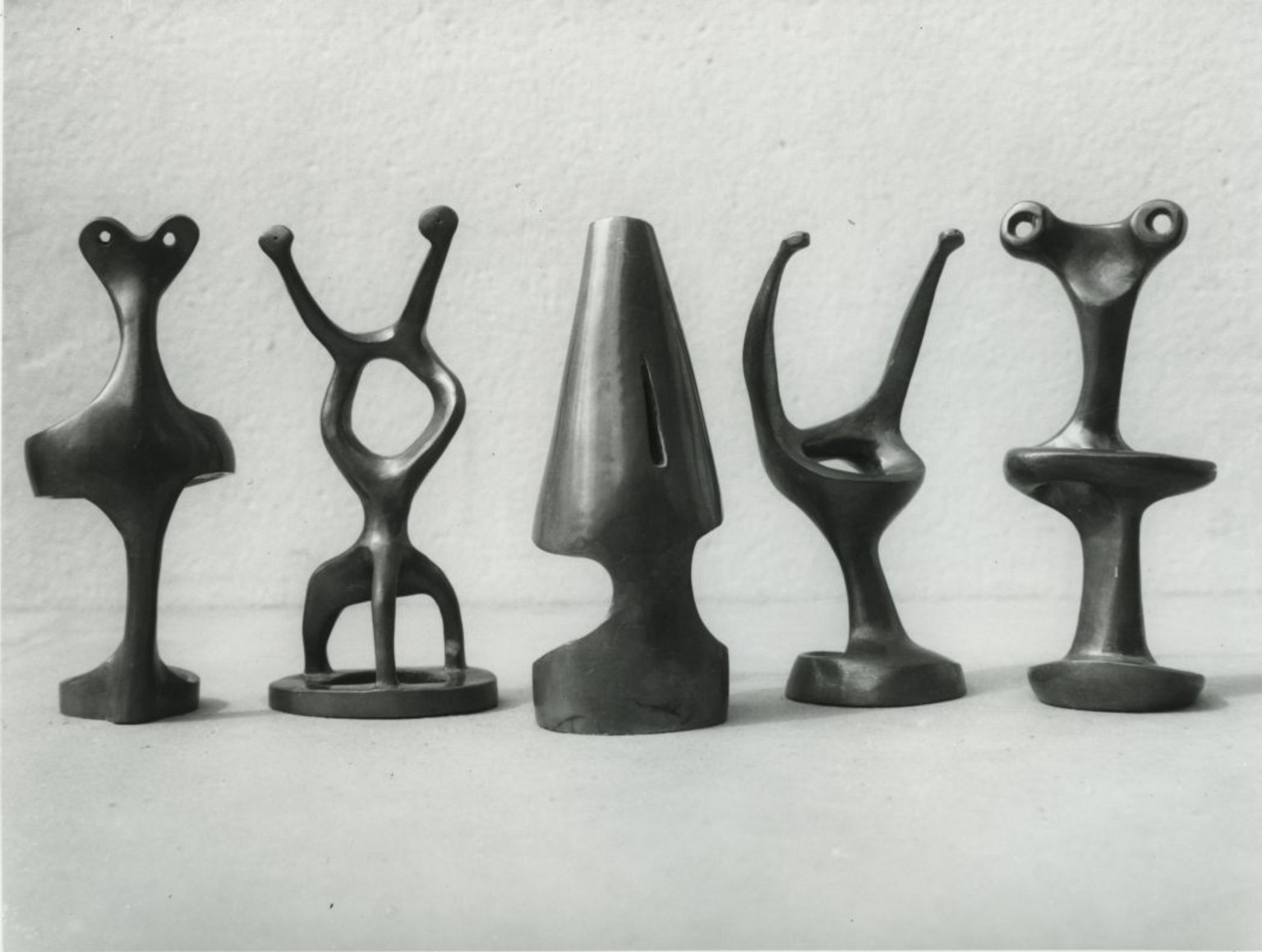
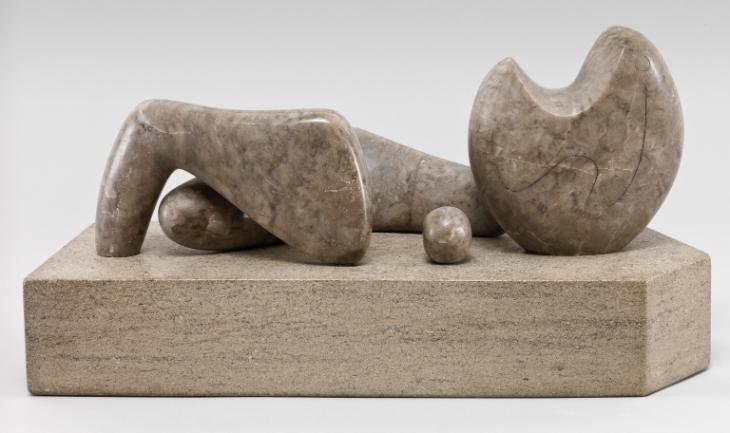
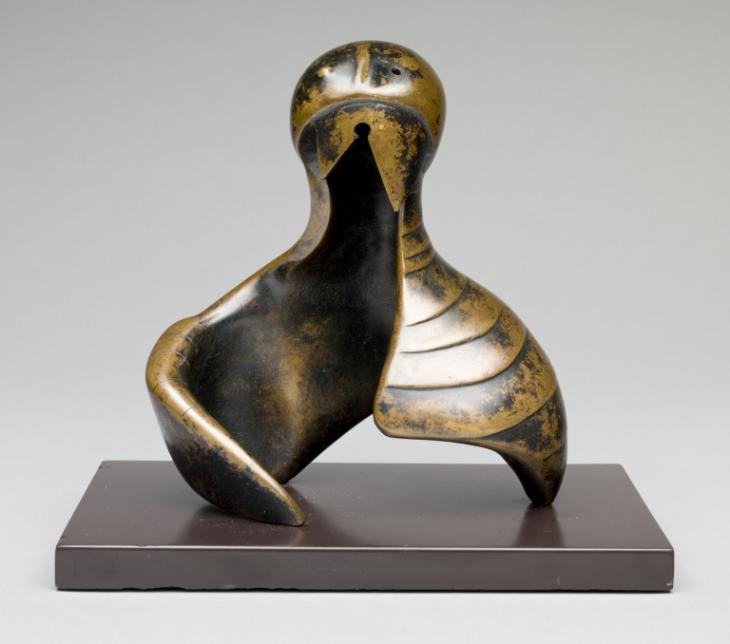
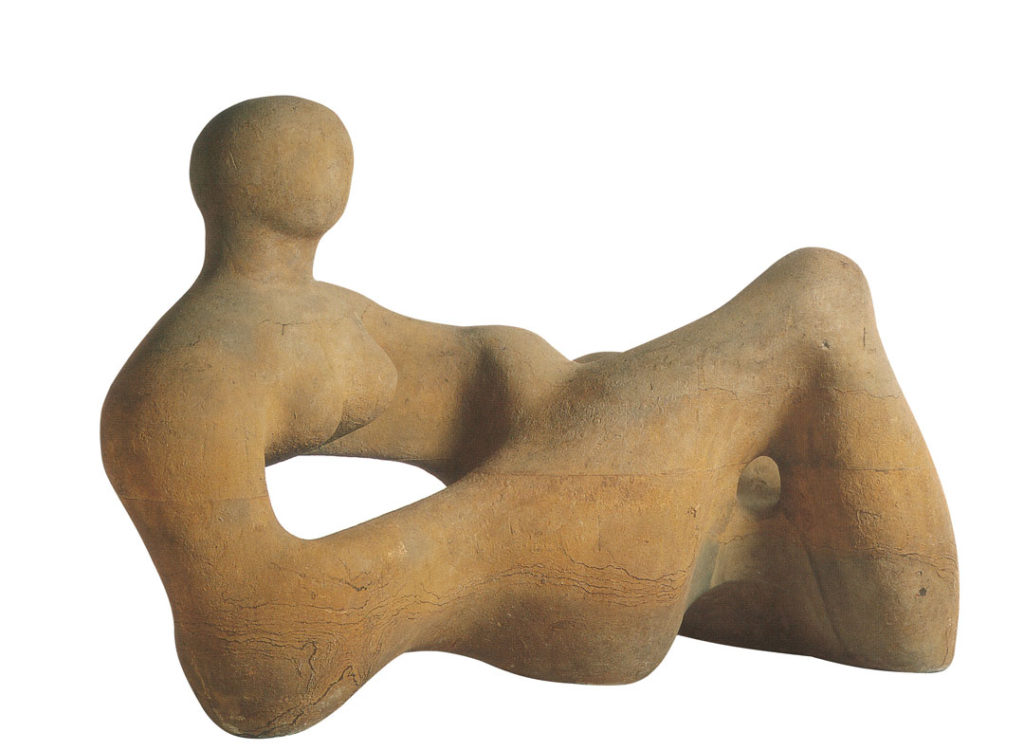
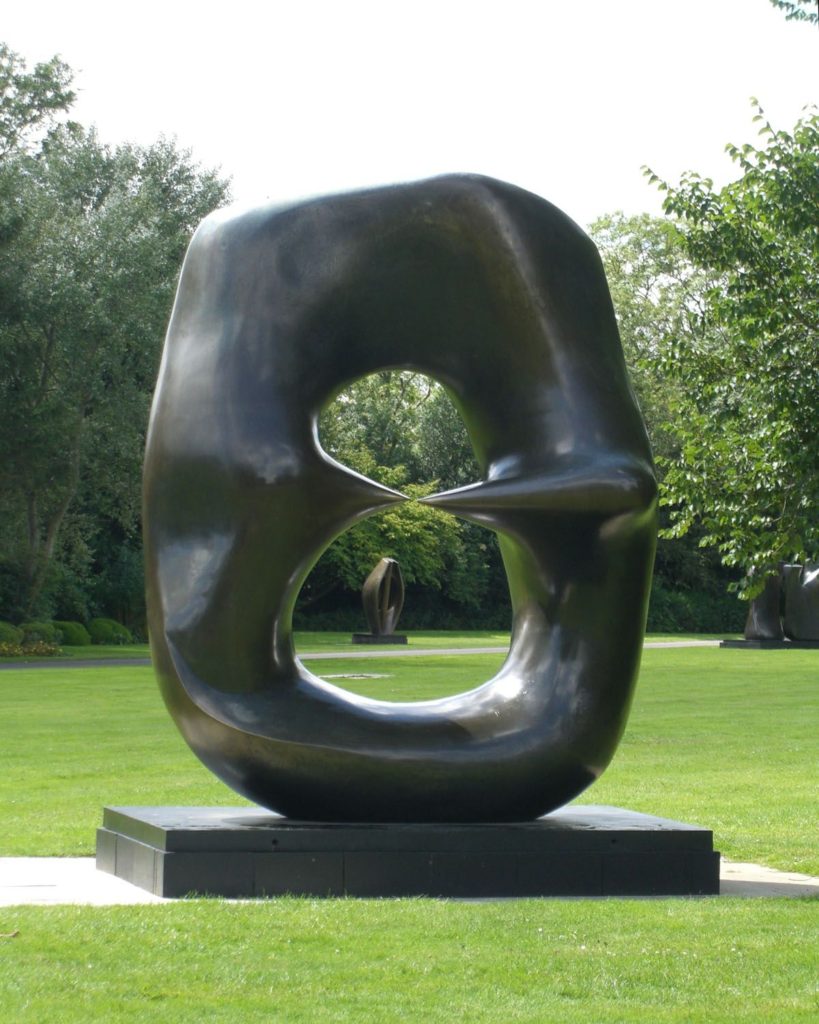
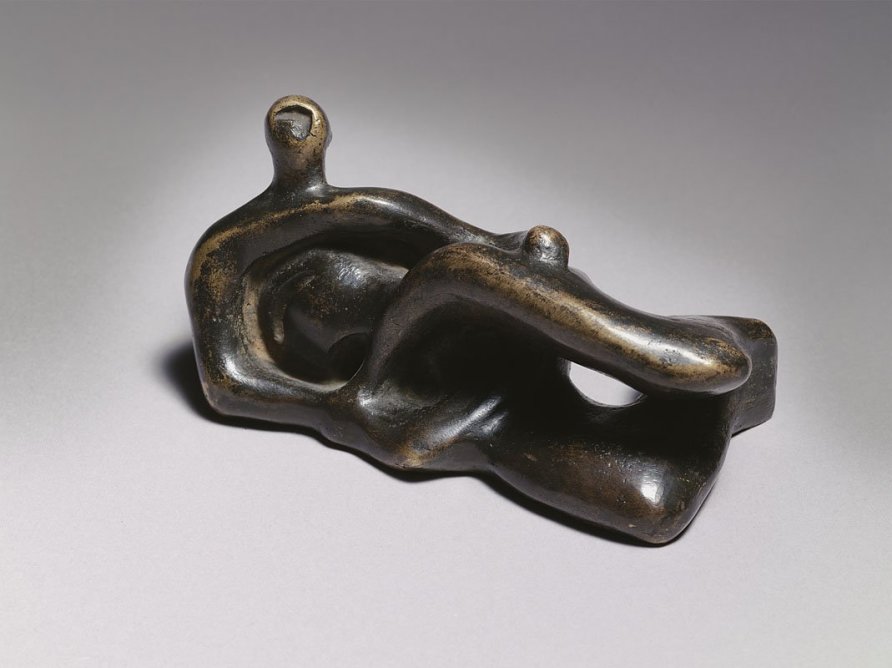
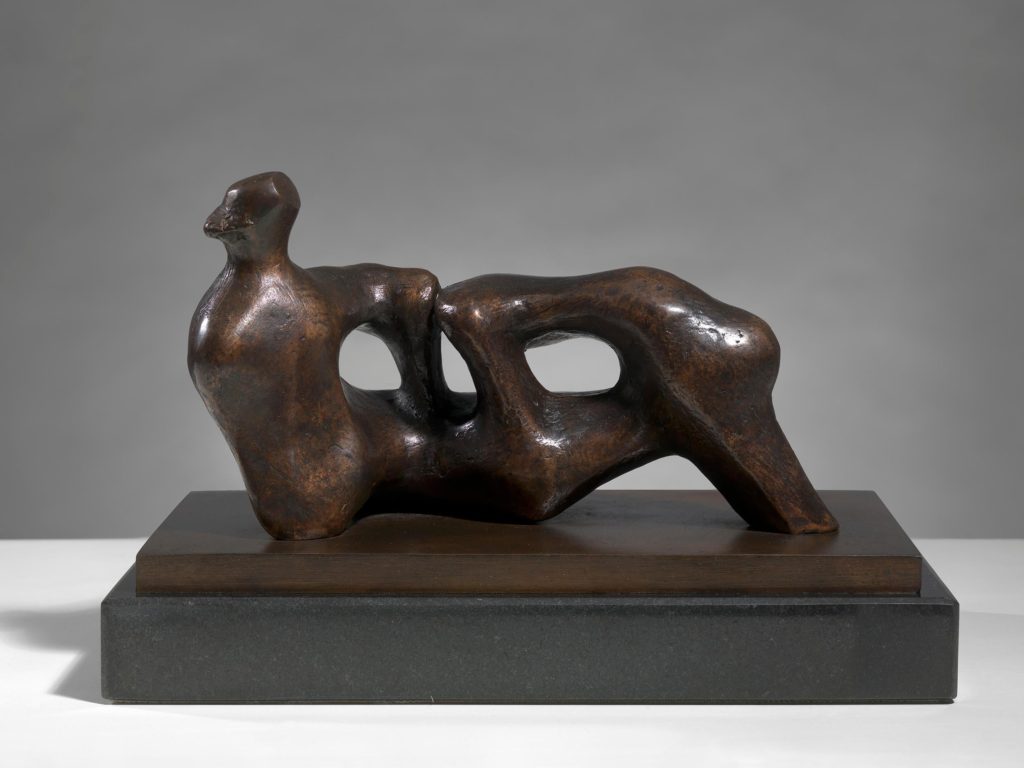
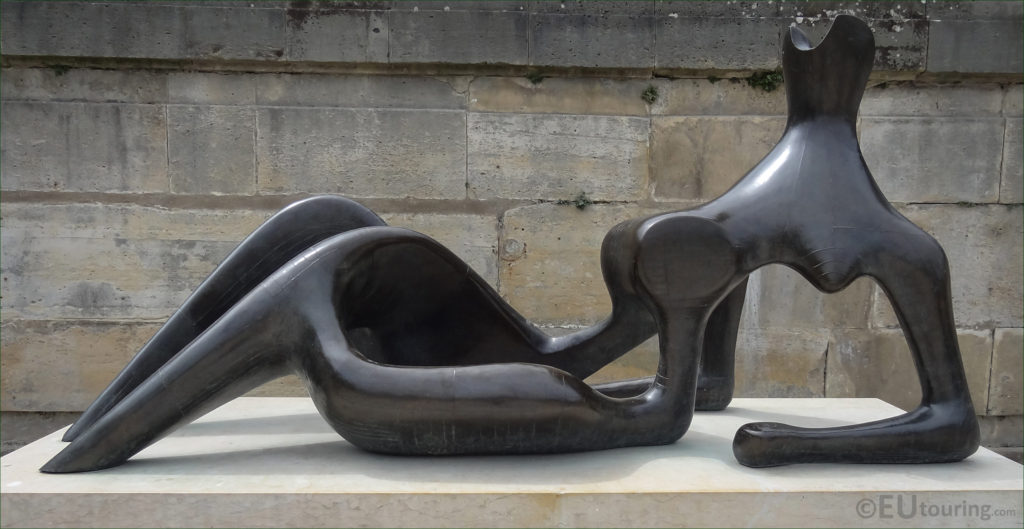
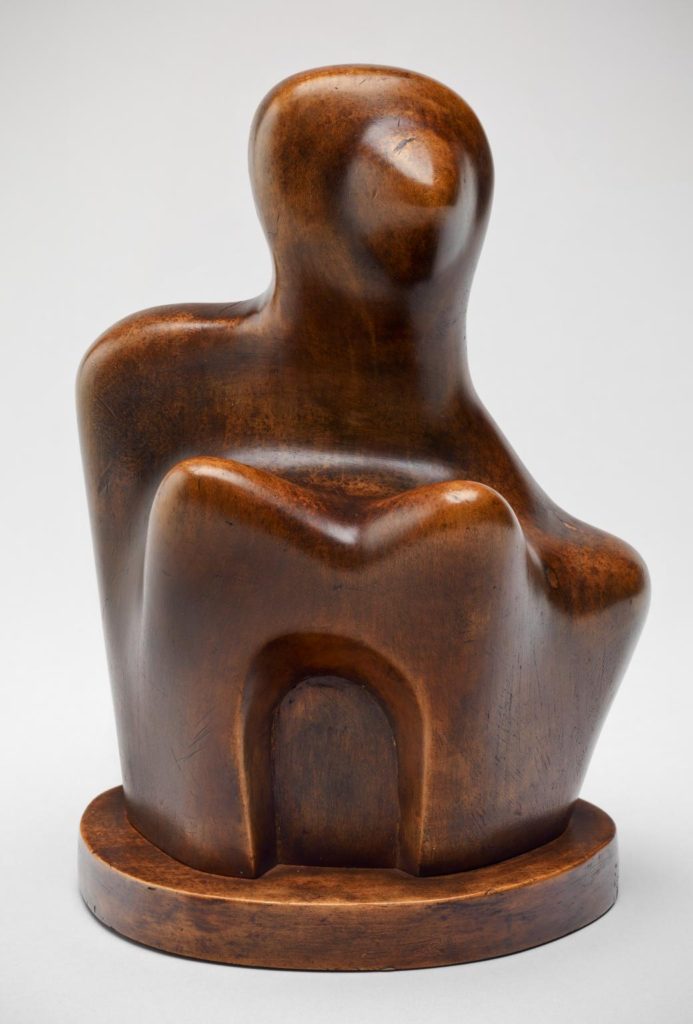
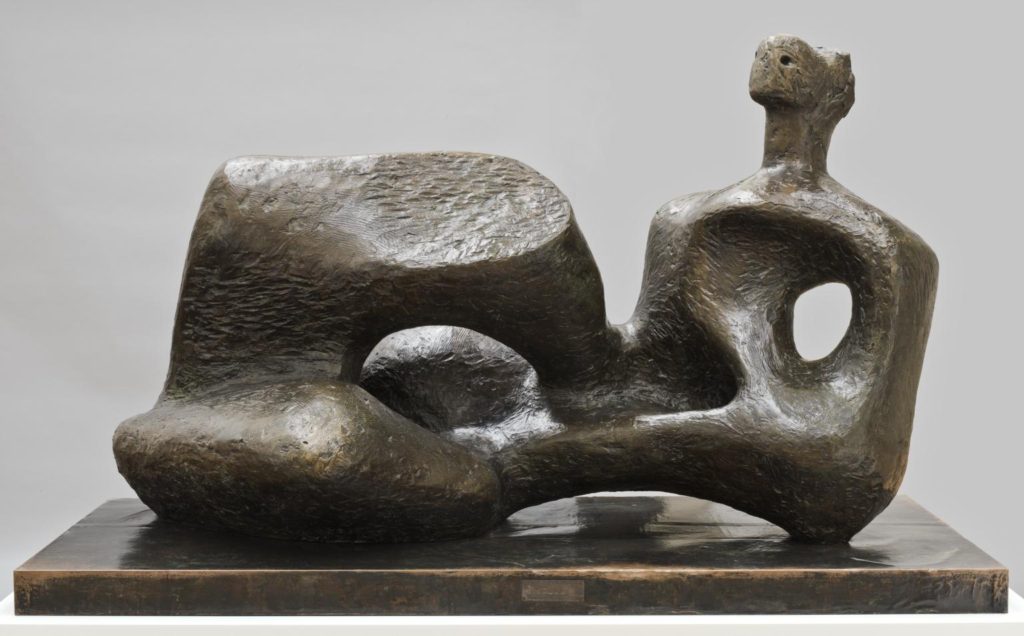
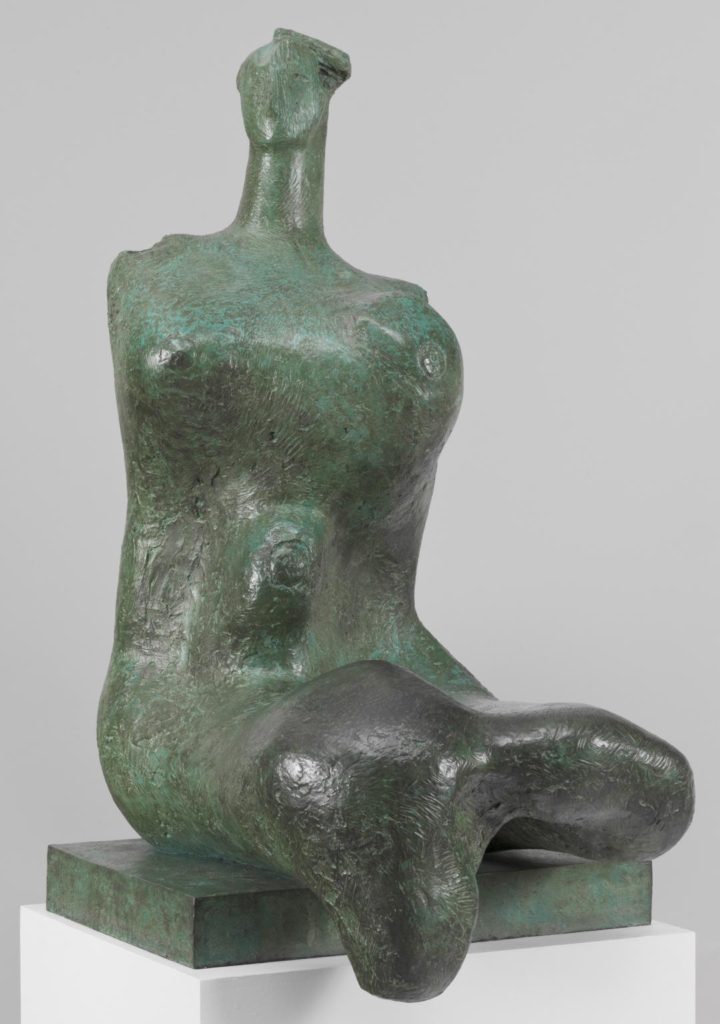
The organic shapes of the sculptures in the slideshow below, look as if they have been inspired by found natural objects. Can you see one that reminds you of: Smooth pebbles you might find on a beach? A twisted stick or tree root? A broken seashell? A rough chunk of rock?


DRAWING: FROM IDEA TO FINISHED SCULPTURE
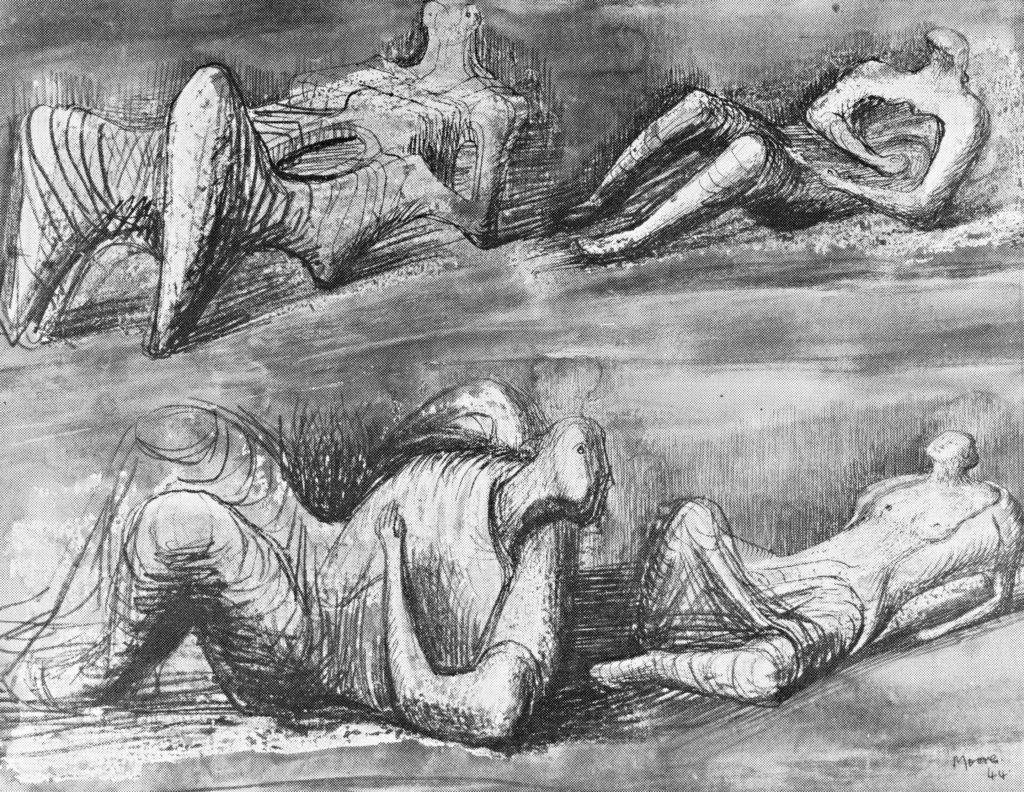
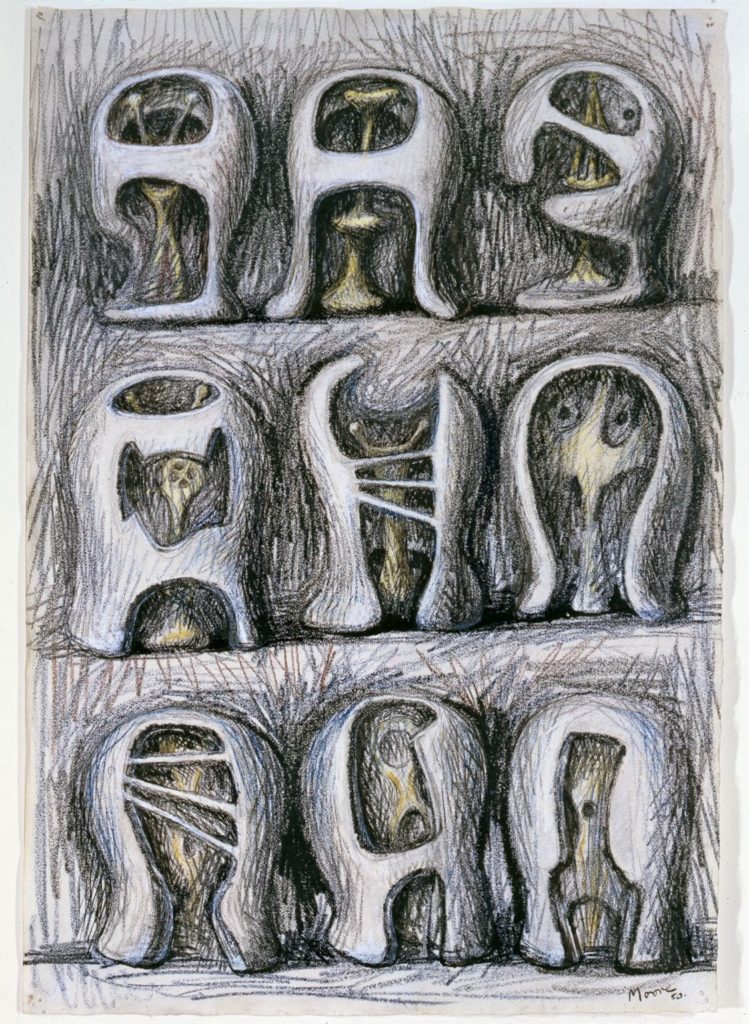
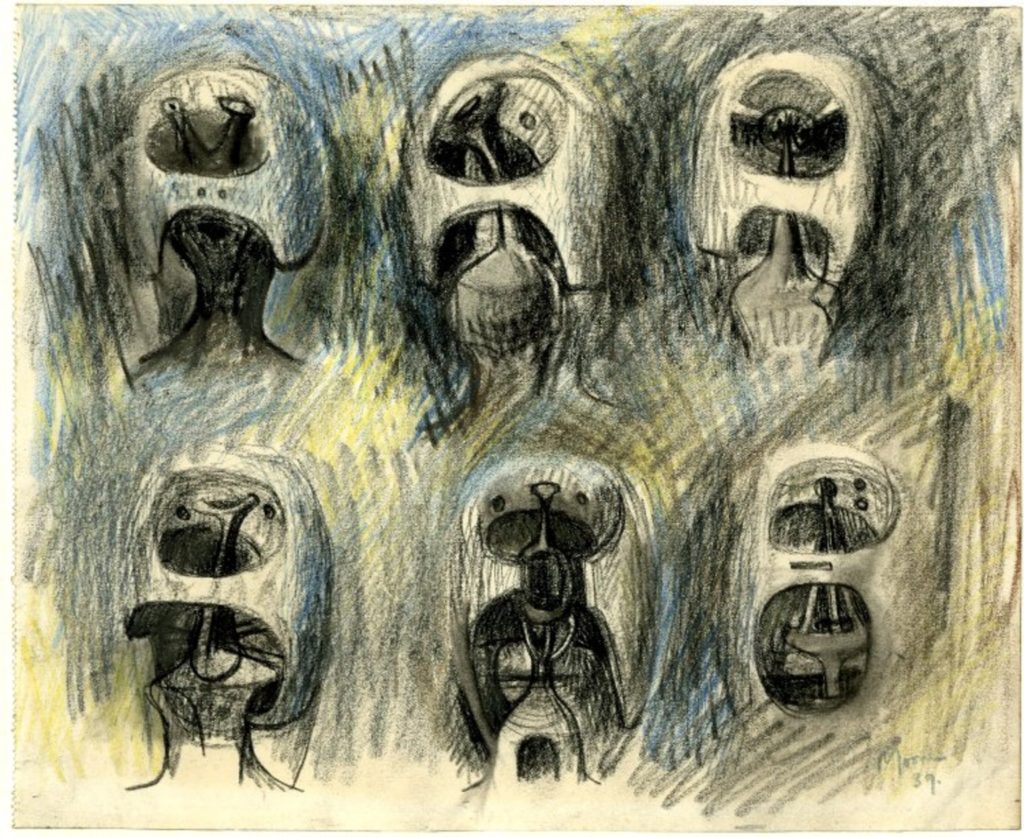
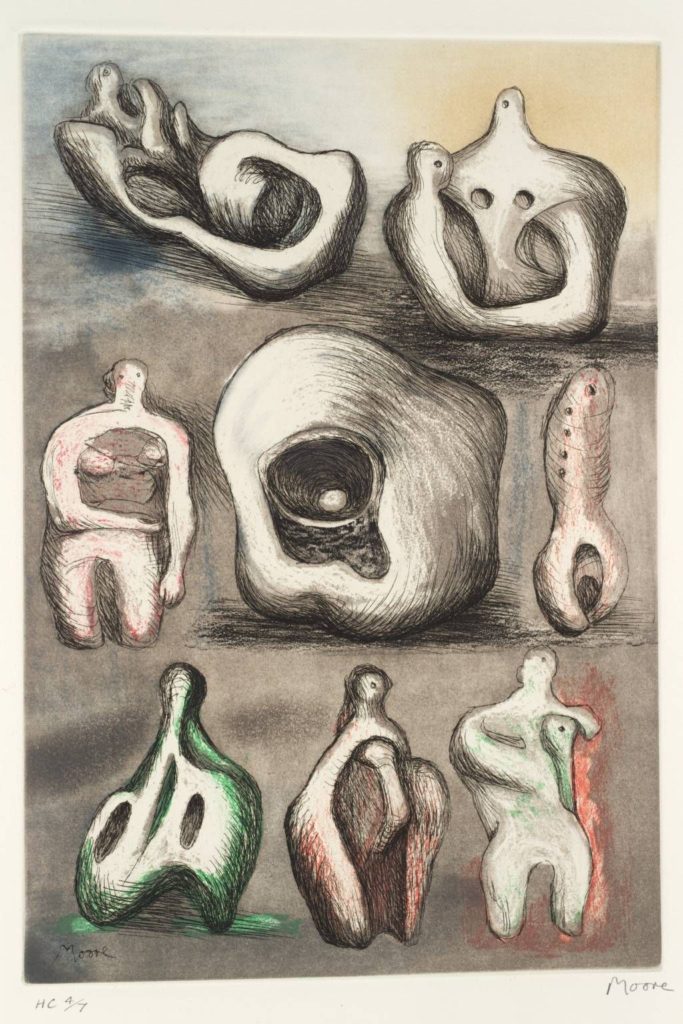
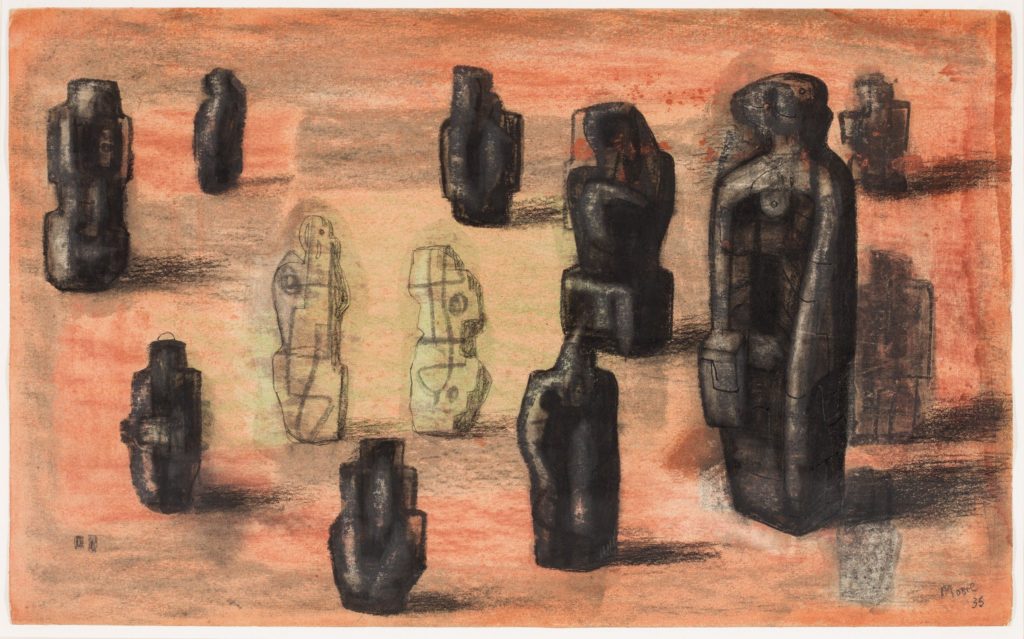
Artists often use drawings to develop their ideas. Henry Moore used drawing to work out how to transform the shapes of objects that inspired him into the strange and beautiful shapes for his sculptures. In the drawings below you can see him transforming the shapes of rocks and stones into figures.
My drawings are done mainly as a help towards making sculpture…as a way of sorting out ideas and developing them
Henry Moore
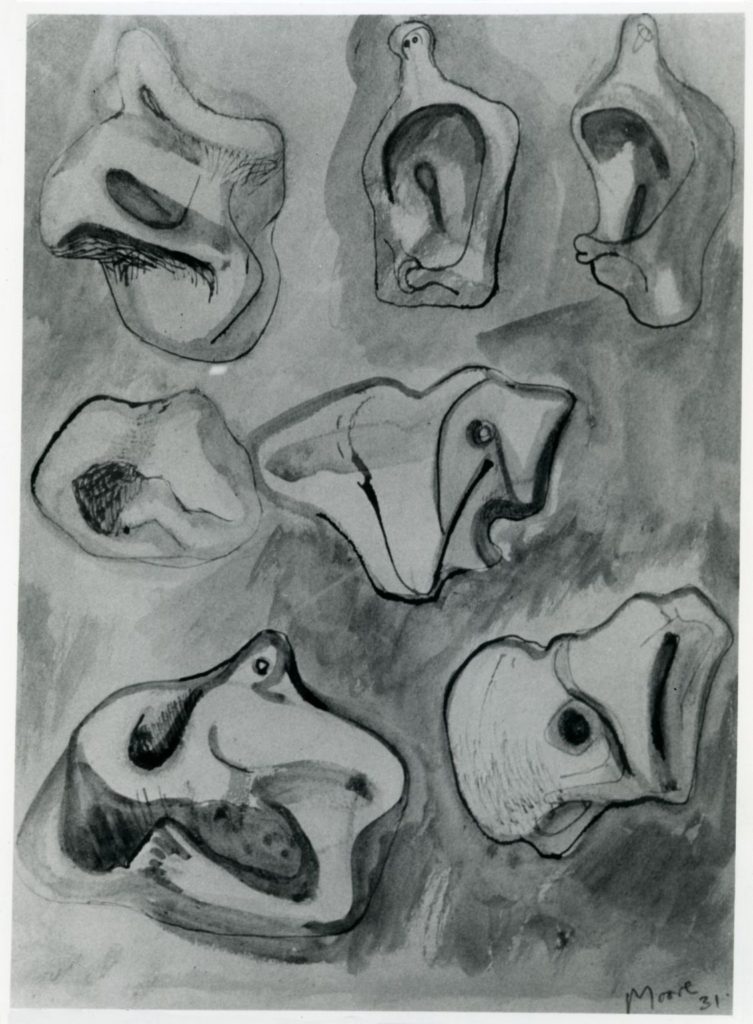

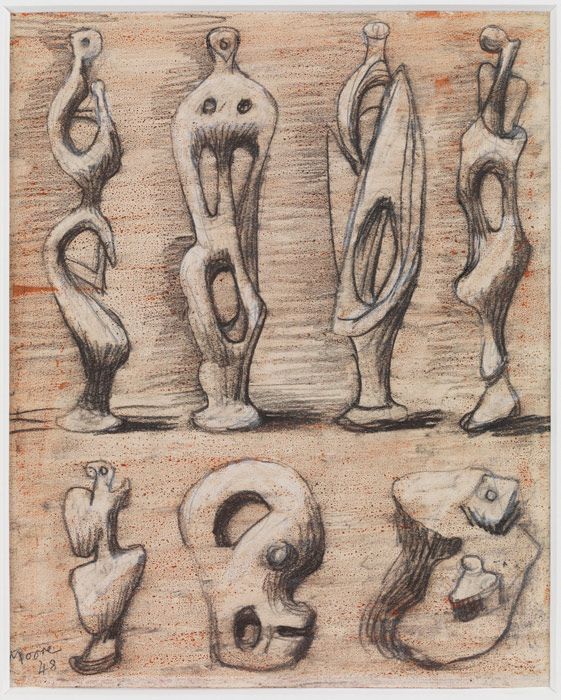
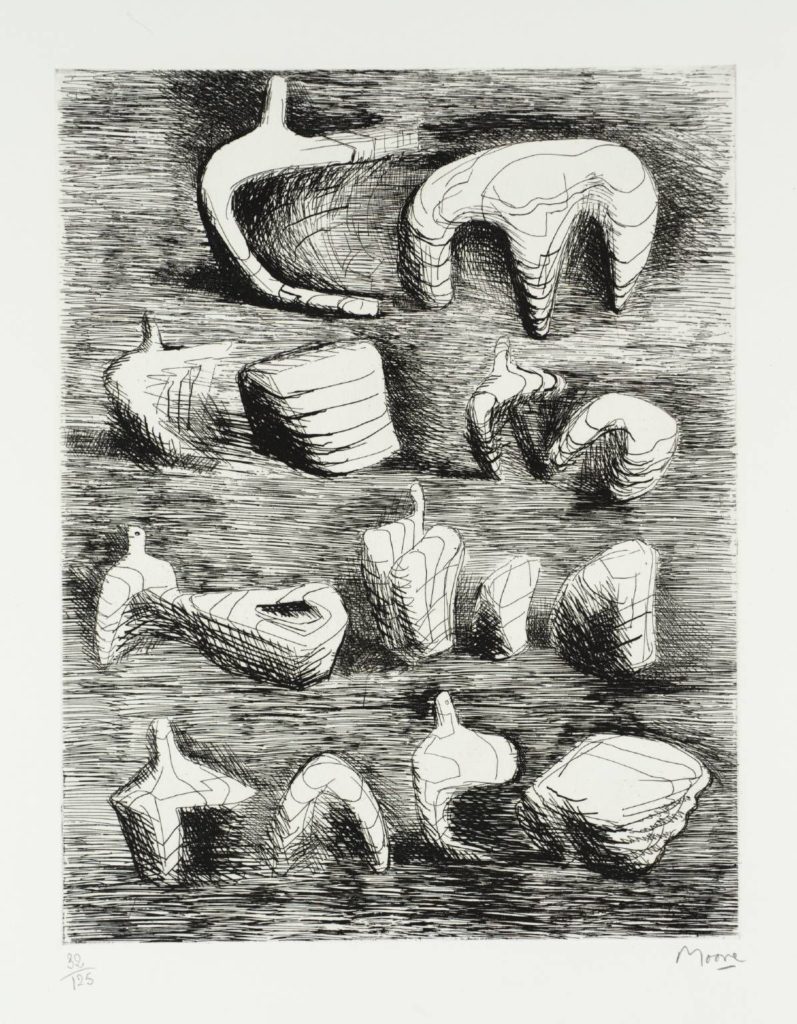
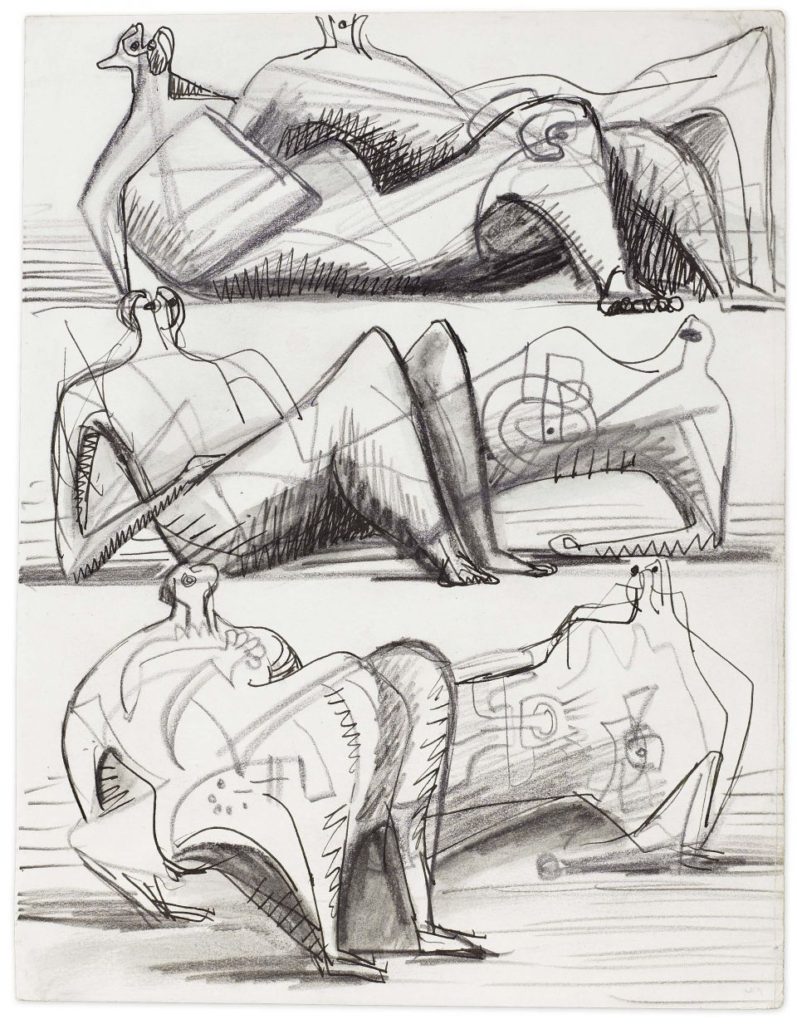
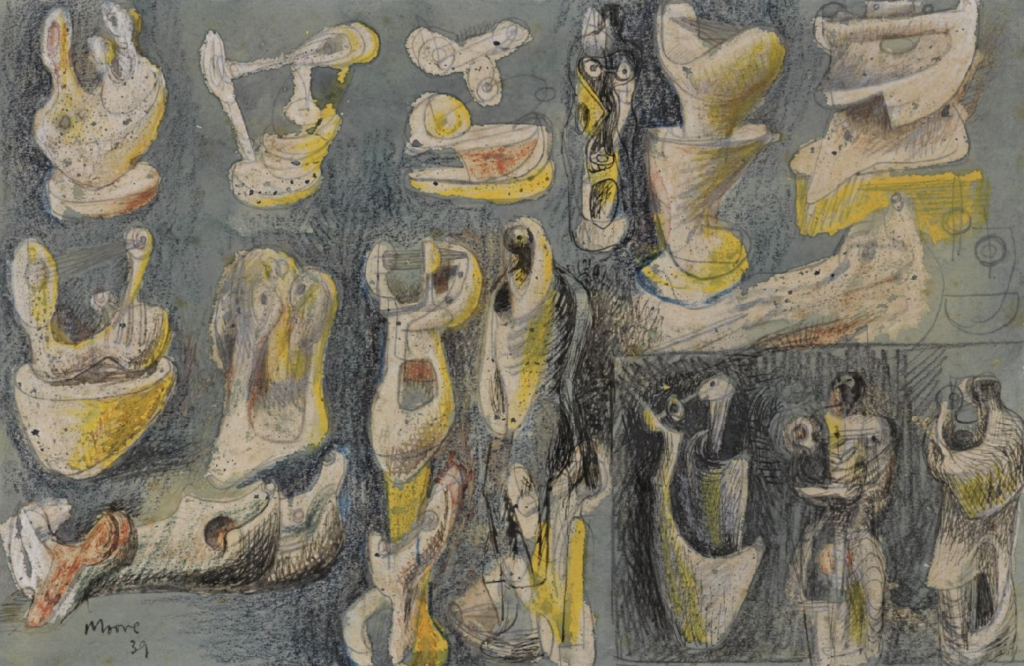
INSIDE AND OUT
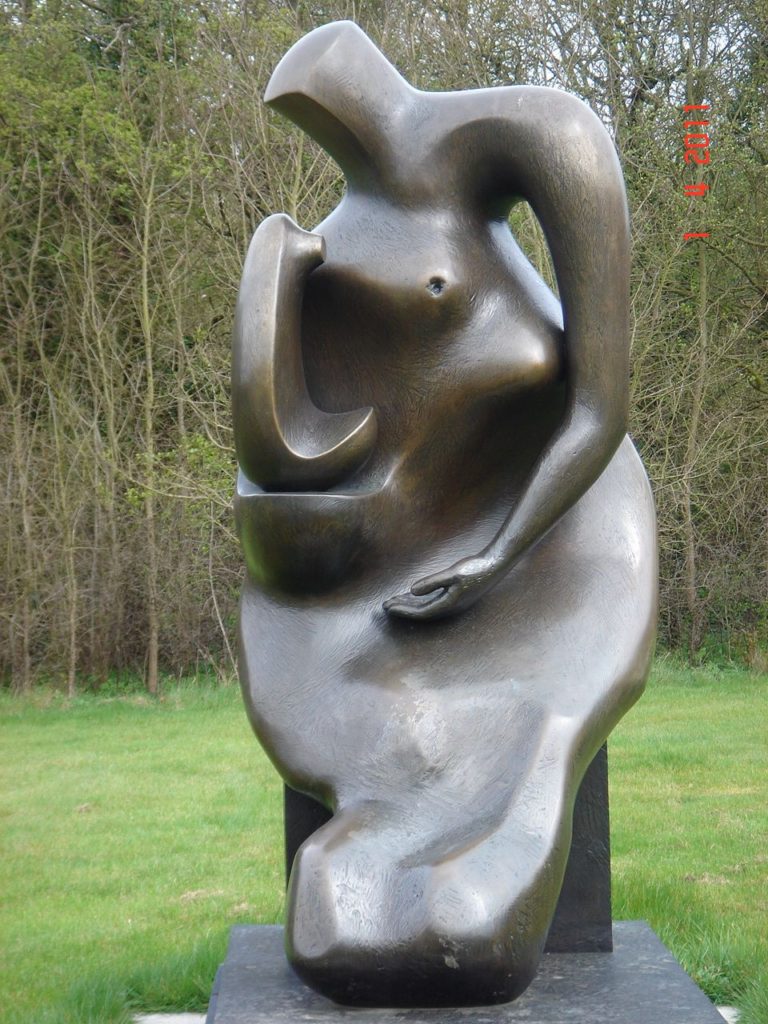
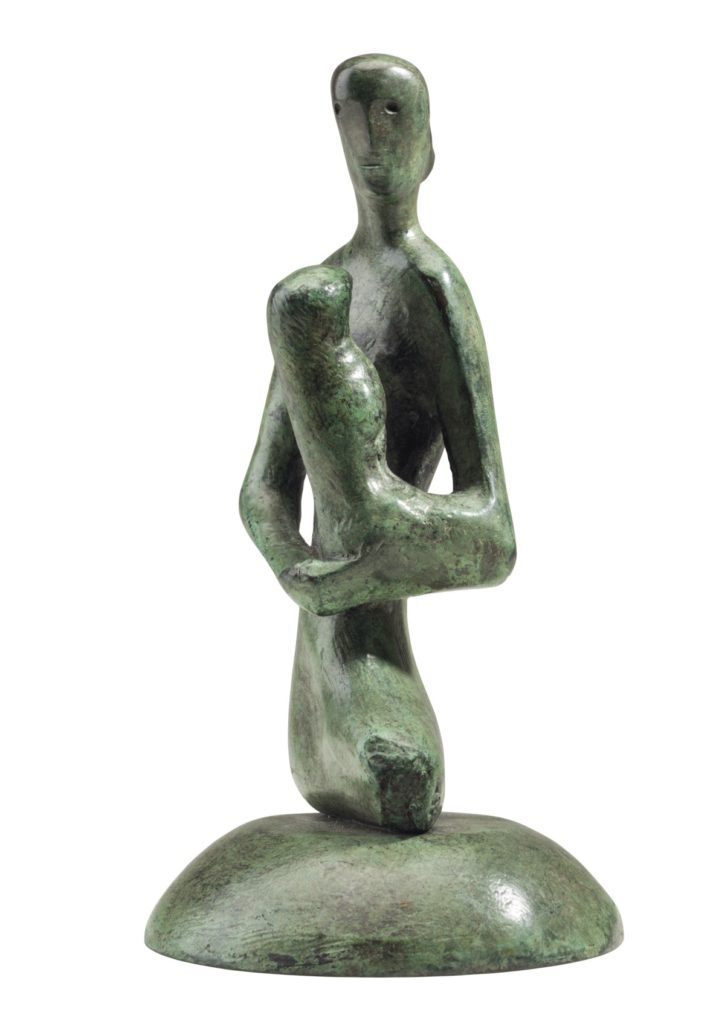
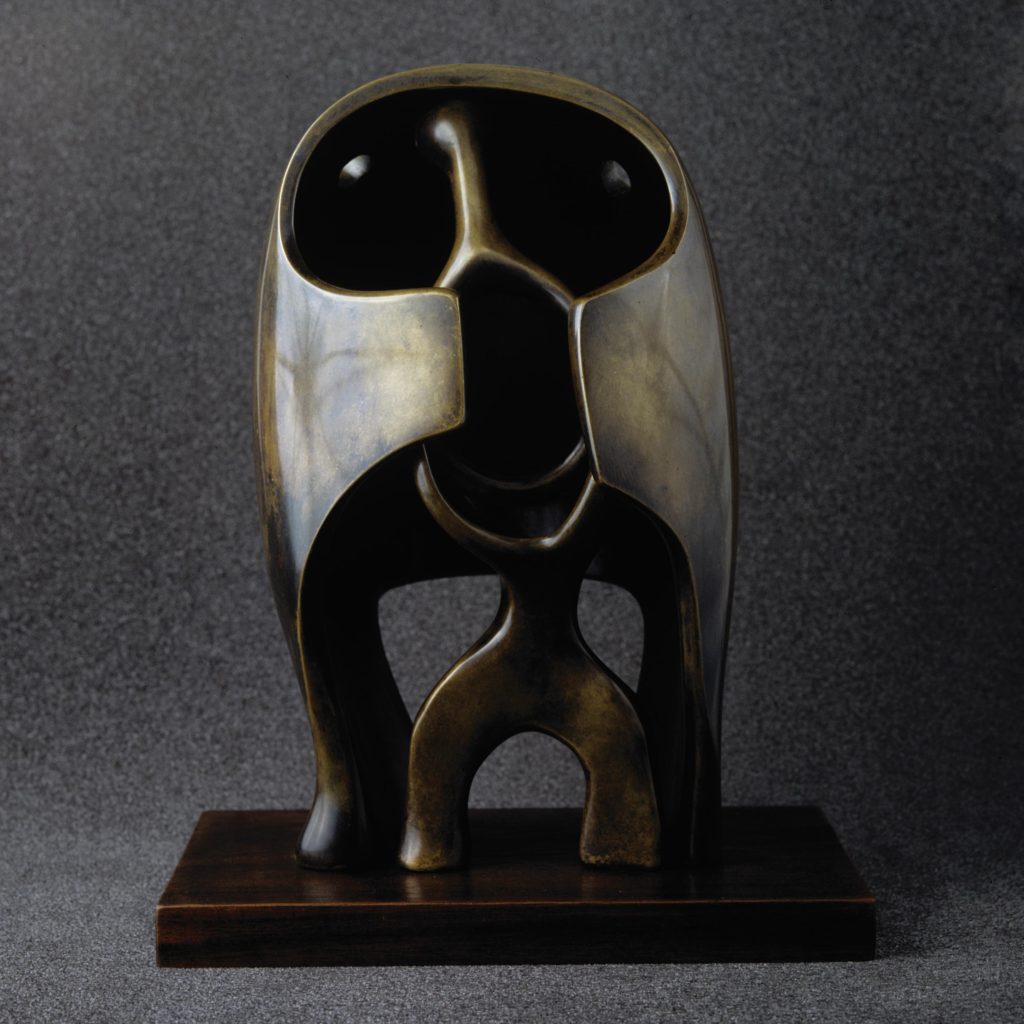
From the 1930s, Henry Moore began to make sculptures that explored both the inside and outside of objects. The sculptures are quite complicated, but by using drawing he could work out his ideas and how he could make the sculptures work, before actually creating them.
Subtractive sculpture – involves the removal of material from a block – through cutting, chiseling, chipping, or scraping away.
Positive Space – the shapes or forms (main objects) in an artwork
Negative Space – the space that surrounds the main objects. It is the empty space between and around the main objects



Project Goal:
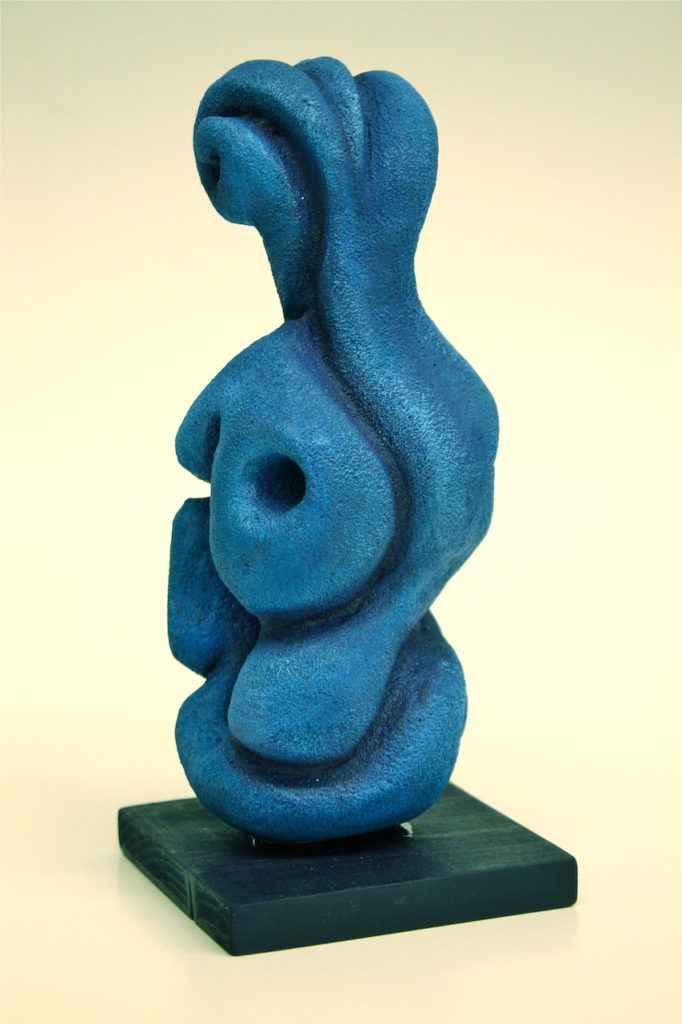
Choose 1 object or image and create 8 sketches for possible abstract sculptures inspired by it. Then use subtractive sculpting techniques like sawing, rasping, and sanding to carve your sculpture out of a block.
Steps:
- On Paper, do at least 8 thumbnail sketches for a design for your sculpture. **MUST have at least 2 HOLES
- Use rasps and files to mold & shape your sculpture.
- Use sandpaper to get it really smooth.
- Coat entire sculpture with glue.
- Paint a SOLID Color first.
- Use the ink wash technique to darken deeper areas.
Examples